
Methodology
From guidance to service design
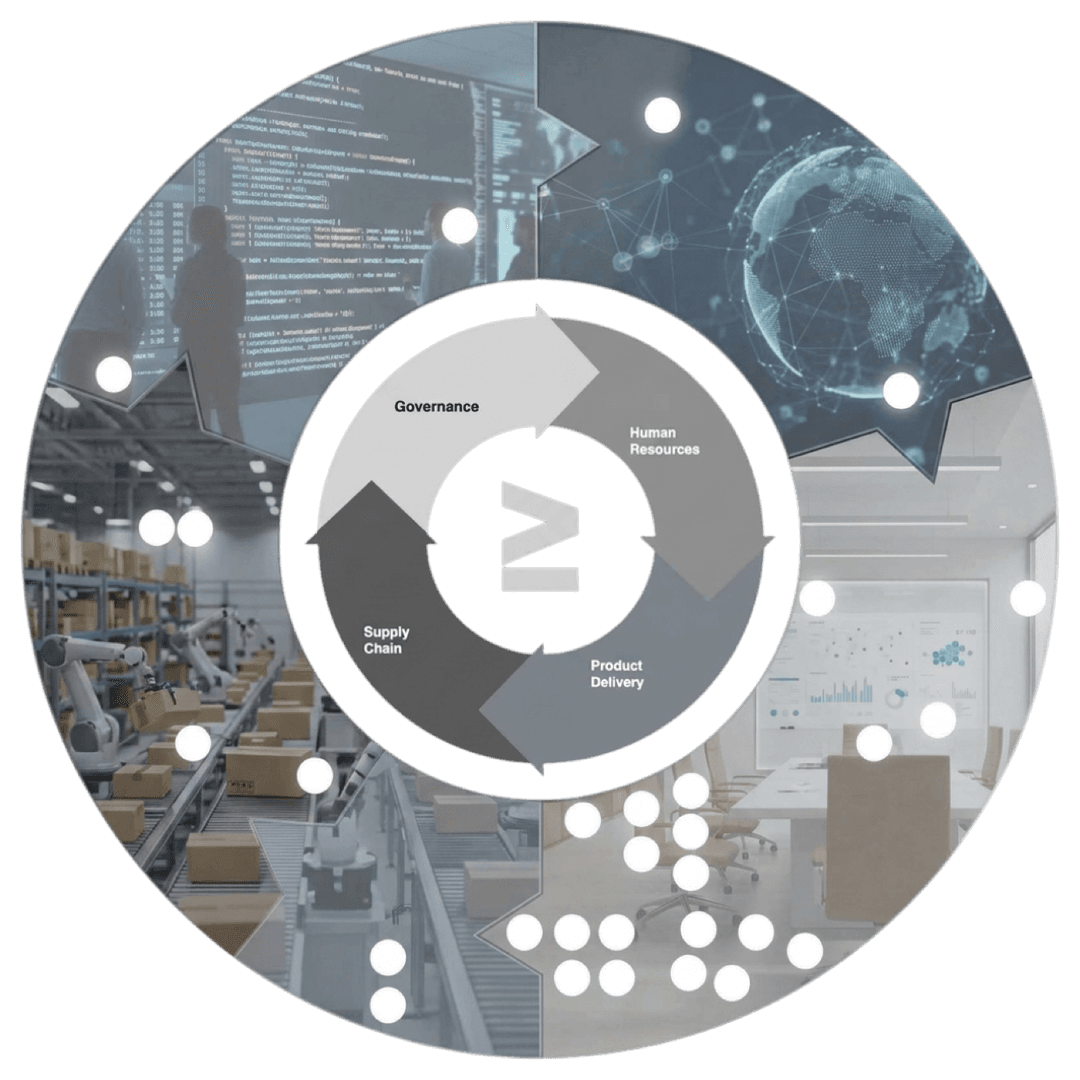
DISM translates inclusion intent into a service catalogue. Each service has an owner, actors and recipients, inputs and outputs, controls, evidence, measures, and intended outcomes.

ISO-30415:DISM / WSMI methodology
A practical service-management architecture for translating standards into owned, evidenced, measurable work.
ISO-30415:DISM / Workforce Service Management
Each consequential interaction can have an owner, recipient, control, evidence record, measure, and outcome. This is WSMI's implementation architecture, not text from the ISO publication.
Methodology
DISM translates inclusion intent into a service catalogue. Each service has an owner, actors and recipients, inputs and outputs, controls, evidence, measures, and intended outcomes.
Methodology
The diagnostic considers the populations, contexts, barriers, and consequences relevant to the organization, then connects them to workforce and stakeholder services.
Methodology
Teams document what is done, how it is controlled, what evidence exists, and whether the service is improving access, participation, equity, and experience.
The WSMI architecture
ISO 30415 provides inclusion governance that can guide the application of ISO 30201 to human work. InclusionScore operationalizes these disciplines by treating consequential organizational interactions as measurable services.
This integration is WSMI methodology. Neither ISO standard formally requires the other.
Professional pathways remain distinct: ISO-30415:DISM leads to ISO-30415:DIP; ISO-30201:HRSM leads to ISO-30201:HRMSP. Integrated development is optional.
Explore the ISO-30201:HRSM program ↗